

Introduction
Building a new deck is one of the most significant investments you can make in your GTA home. It transforms your backyard into an oasis, extends your living space, and substantially increases your property value. However, before you can enjoy your first barbecue, you face the definitive question of modern outdoor living: Should I build with wood or composite?
The decision isn’t as simple as it was ten years ago. Wood has evolved, and composite technology has advanced exponentially. Both materials offer distinct advantages and drawbacks when facing Canada’s brutal freeze-thaw cycles and UV exposure.
As Markham-based specialists in high-performance decking solutions, Fence & Deck Pros believes in transparency. We don’t have a default answer; instead, we have an Engineering-First approach. We help GTA homeowners analyze their lifestyle, budget, and terrain to select the material that provides the best long-term return on investment.
This ultimate guide will break down the structural, aesthetic, and financial differences between wood and composite decks, supported by real experiences from GTA homeowners who have navigated this exact decision.
1. The Realities of Natural Wood: Timeless Aesthetics and High Maintenance
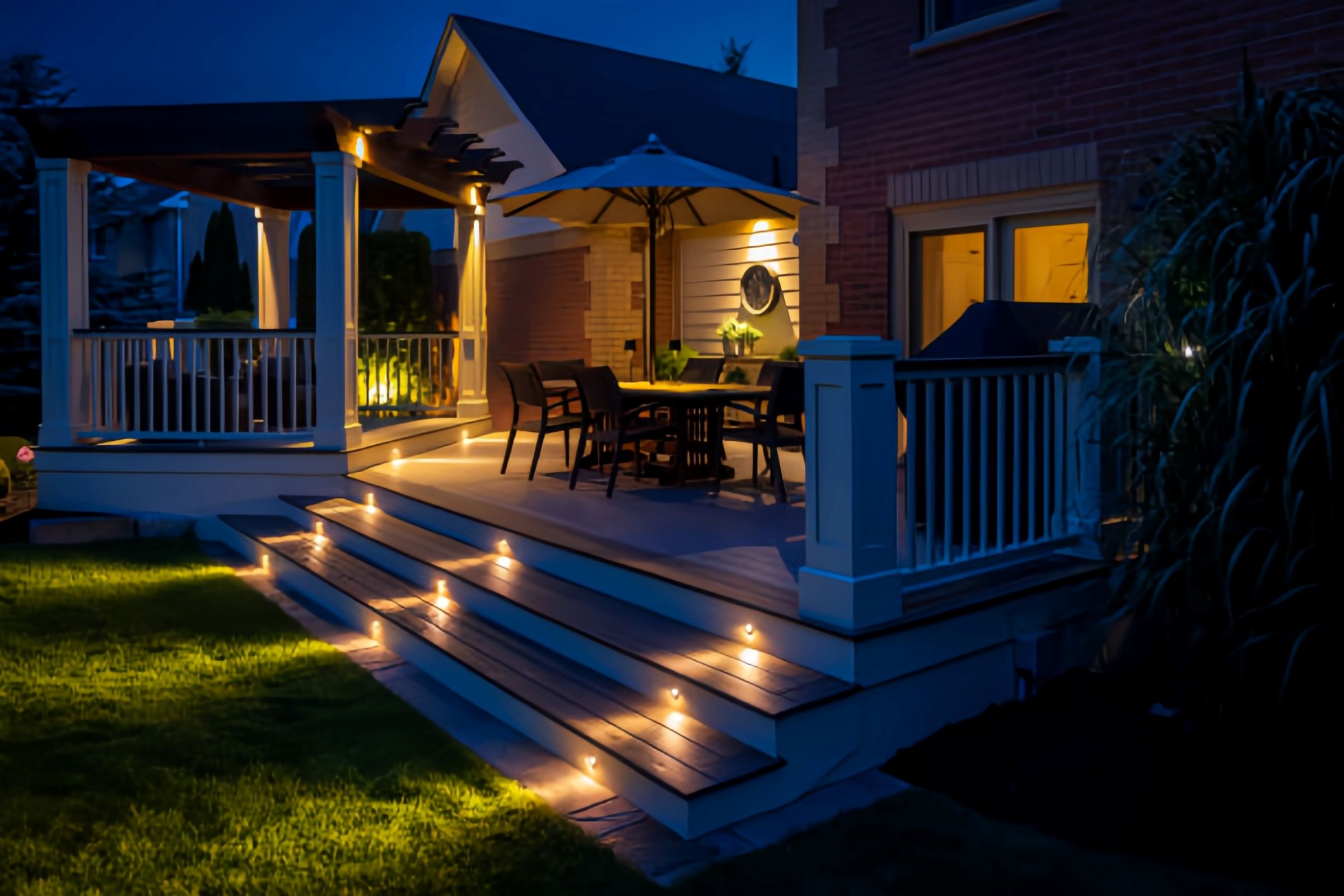
For many homeowners, nothing compares to the authenticity of natural wood. Wood has a texture, warmth, and smell that artificial materials cannot truly replicate. In Ontario, we generally work with two primary types of wood.
I. Standard Tier: Pressure-Treated (PT) Wood
This is the most common and cost-effective decking material in the GTA. Built with lumber chemically treated to resist rot, fungal decay, and insect attack, a PT wood deck provides a strong, durable boundary for your property on a budget.
- Initial Cost: Lowest upfront investment.
- Maintenance: Mandatory. PT wood requires regular cleaning, followed by staining or sealing every 1–2 years. If ignored, it will quickly turn grey, splinter, crack, and warp.
II. Premium Tier: Western Red Cedar
For those who prioritize aesthetic elegance, Western Red Cedar is the gold standard of natural wood. It is naturally decay-resistant, incredibly stable (meaning it warps less than PT), and possesses a stunning, high-end grain finish.
- Initial Cost: Significantly higher than PT, often competing with lower-end composites.
- Maintenance: Similar to PT wood, Cedar must be regularly cleaned and stained to preserve its warm color. If allowed to weather, it turns a classic silvery-grey, which some homeowners desire.
2. The Advance of Composite: Low Maintenance and Extreme Durability
Composite decking has revolutionized the industry. It is a manufactured product, typically made from a mix of recycled wood fibers and plastics (like polyethylene or PVC). We utilize industry leaders like Trex and Azek, which have perfected the “Elite Tier” of low-maintenance living.
Elite Tier: Composite Fencing & Decking
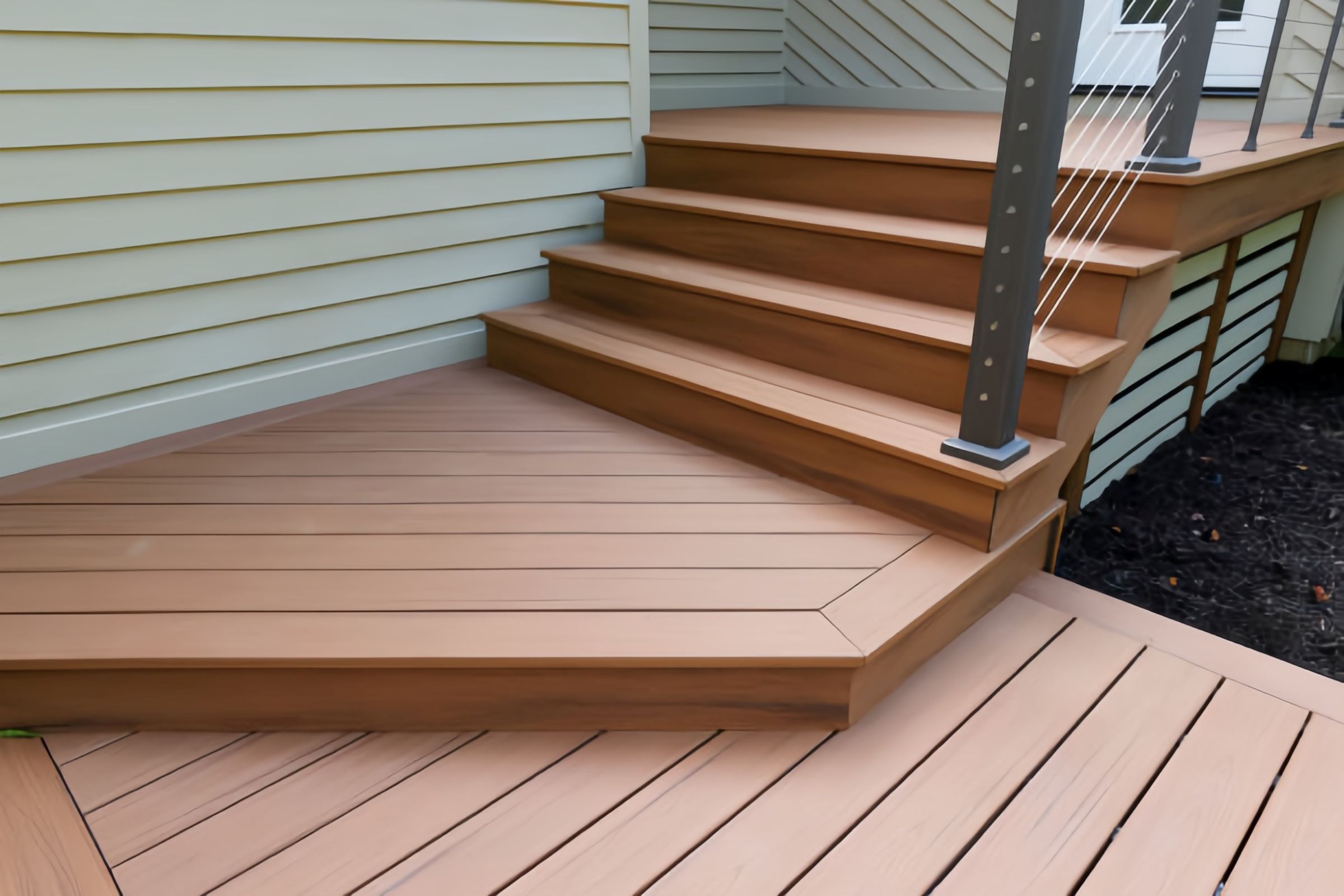
Modern composite features a defensive “cap” that provides advanced UV protection and fade resistance. These decks are built to survive the harshest Canadian elements—extreme heat, freezing snow, and torrential rain—without staining, warping, or requiring painting.
- Initial Cost: Highest initial investment. The material itself is expensive, and professional installation requires specialized hidden fastener systems for a clean, sophisticated look.
- Maintenance: Virtually zero. A composite deck only needs a wash with soap and water once or twice a year to remove pollen or dirt. You will never have to sand, stain, or seal your deck again.
3. Side-by-Side: GTA Decision Matrix
When building a deck in Markham or Richmond Hill, specific local environmental factors come into play.
4. Real Homeowner Experiences in the GTA
We asked past clients across York Region to share their honest experiences, years after their project completion. These testimonials highlight that there is no universal “wrong” choice, only the right choice for your lifestyle.
Case Study 1: The Wood Enthusiast (Unionville, Markham)
“I grew up with wood decks and I love the authentic smell of Western Red Cedar. When we built in Unionville, we went Premium Cedar. Fence & Deck Pros did an incredible job with concealed fasteners, so the finish is smooth. We knew the maintenance tradeoff. Every two years, I set aside a full weekend to pressure wash and stain it. It’s hard work, but when it’s freshly stained and looking rich, I wouldn’t trade it for anything. It’s a labor of love.” — Michael T., Markham Homeowner
Key takeaway: Wood success requires commitment. If you find value in natural authenticity and will actually perform the required upkeep, a cedar deck is a masterful choice.
Case Study 2: The Maintenance-Free Seekers (Richmond Hill)
“We previously had a pressure-treated deck, and we hated it. After just five years, we were constantly fighting splinters with our young kids. We never got the color right, and we dreaded the maintenance. We spent thousands more to upgrade to Trex Composite when we built our new home. Best decision we ever made. Our weekends are now free. It looks exactly the same today as it did on day one. It survives the snow with zero staining, and we just use a hose to clean it. It increases our home’s resale value and our quality of life.” — Sarah & David L., Richmond Hill Homeowners
Key takeaway: Composite is an investment in time. The higher initial cost is offset by the thousands of dollars and hundreds of hours saved on maintenance over the deck’s life. It is the definitive solution for busy families or those seeking a truly zero-maintenance lifestyle.
5. The Structural Truth: Good Engineering is Mandatory for Both
A high-performance capped composite surface is worthless if it sits on a failing foundation. When homeowners compare quotes, they are often comparing only the surface material price, completely missing the structural engineering that holds it up.
In the Markham and Richmond Hill area, terrain can be challenging, often featuring rocky soil conditions. Discount contractors will use shallow 12-inch footings to save costs. Ontario’s freeze-thaw cycles will lift those posts, causing any deck, regardless of material, to heave, twist, and fail structurally within a few years.
The Fence & Deck Pros Engineering Advantage: 42-Inch Footings
We specialize in structural rebuilds and framing that strictly exceed Ontario’s safety standards. We utilize specialized Professional Post-Hole Augering machinery to navigate challenging soil and set all structural posts to a minimum depth of 42 inches (3.5 feet). This mandatory depth guarantees that your deck, whether PT wood or composite, sits deep below the frost line, ensuring steadfast stability for decades. This level of professional craftsmanship is why we offer a standard 5-year warranty on all projects.
6. The Verdict: How to Choose for Your Home
- Choose Standard Pressure-Treated Wood if: Budget is your primary driver, and you have a reliable plan (or budget) for biennial staining and maintenance.
- Choose Premium Western Red Cedar if: Budget is flexible, natural wood authenticity is paramount, you desire natural decay resistance, and you will maintain the requisite staining schedule to preserve the color.
- Choose Elite Composite Fencing & Decking if: Your goal is zero maintenance, extreme longevity, and long-term resale value. You value weekends free from sanding and staining, and you are prepared for a high initial capital investment.
The Canadian elements do not compromise. We believe your structural choice shouldn’t either. Whether you choose the natural warmth of wood or the engineered precision of composite, prioritize the Fence & Deck Pros standard of structural integrity to ensure your new space rediscovers quality outdoor living.
Ready to Engineering Your Backyard Masterpiece?
For a professional site assessment, a transparent tiered estimate (Standard, Premium, or Elite), and expert guidance customized for your unique Markham, Richmond Hill, or GTA property, contact the Pros today.